Trees are vital to both biodiversity and human society, providing habitat for half of the world’s terrestrial species and delivering economic, cultural, and spiritual benefits. Despite extinction risk assessments covering over 92% of tree species, around 7,700 remain unassessed. This study analyzed 32,000 species, mapping their exposure to six anthropogenic threats over the last two decades. Findings reveal that while many species face increasing threats, less than 10% are officially listed as threatened by the IUCN, with numerous assessments outdated or missing. Regions such as South America, sub-Saharan Africa, and Southeast Asia show the highest exposure, while Arctic regions emerge as relative threat hotspots. Overall, the results suggest a significant underestimation of extinction risk for trees.
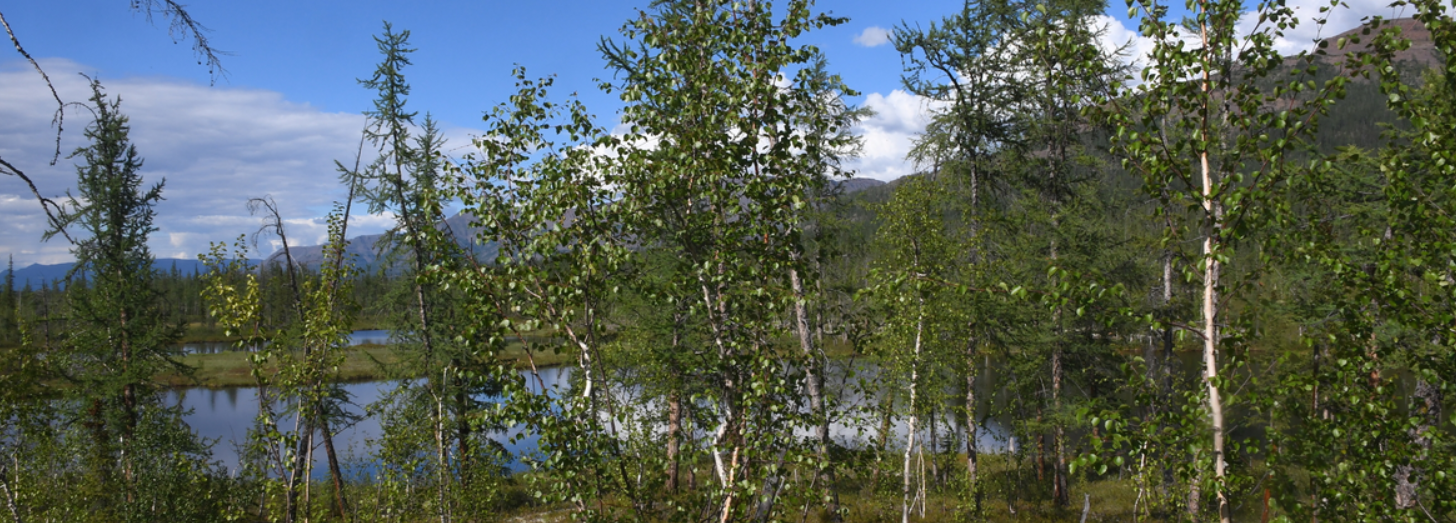
Trees provide habitat to half of the world's known terrestrial biodiversity and are undeniably important to both nature and humans, who gain significant economical, cultural and spiritual value from them. While extinction risk assessment have been completed for more than 92 per cent of trees, that leaves 7,700 species whose conservation status remains unassessed due to data deficiency. To prioritize tree species for (re-)assessment, this study used a data-driven approach that analyses the exposure of 32,000 species to change in six anthropogenic threats over the last two decades. For each species, authors obtained occurrence records from open-access aggregators (including both the Atlas of Living Australia and GBIF) to define the extent of occurrence based on minimum convex polygons covering 95 per cent of available records. They then added layers representing threats—agricultural expansion, overexploitation, urban expansion, deforestation, fire and climate change—for the period 2000–2020, calculating the recent rate of change per threat for each species. They finally downloaded the latest available IUCN assessments, linking these to the studied species. Their analysis revealed that, while more than half the species in this study have been exposed to increasing threats over the past two decades, less than 10 per cent are currently considered threatened according to the IUCN Red List. Many of these remain unevaluated, and about half the candidates are listed as Near Threatened or Least Concern. In addition, the Red List assessments of 35 per cent of trees are older than 25 years. Most species exposed to high rates of recent change were found in South America, sub-Saharan Africa and tropical Southeast Asia, but relative to overall number of species present, threat hotspots occurred in Arctic regions of North America and Eurasia. Combined, the results of the study suggests a substantial underestimation of threats and associated extinction risk for trees.